Begin of page section:
Page sections:

  • Go to contents (Accesskey 1)
  • Go to position marker (Accesskey 2)
  • Go to main navigation (Accesskey 3)
  • Go to sub navigation (Accesskey 4)
  • Go to additional information (Accesskey 5)
  • Go to page settings (user/language) (Accesskey 8)
  • Go to search (Accesskey 9)

End of this page section. Go to overview of page sections

Begin of page section:
Page settings:

English en
Deutsch de
Search
Login

End of this page section. Go to overview of page sections

Begin of page section:
Search:

Search for details about Uni Graz
Close

End of this page section. Go to overview of page sections


Search

Begin of page section:
Main navigation:

Page navigation:

  • University

    University
    • About the University
    • Organisation
    • Faculties
    • Library
    • Working at University of Graz
    • Campus
    Developing solutions for the world of tomorrow - that is our mission. Our students and our researchers take on the great challenges of society and carry the knowledge out.
  • Research Profile

    Research Profile
    • Our Expertise
    • Research Questions
    • Research Portal
    • Promoting Research
    • Research Transfer
    • Ethics in Research
    • Commission for Scientific Integrity
    Scientific excellence and the courage to break new ground. Research at the University of Graz creates the foundations for making the future worth living.
  • Studies

    Studies
    • Prospective Students
    • Students
  • Community

    Community
    • International
    • Location
    • Research and Business
    • Alumni
    The University of Graz is a hub for international research and brings together scientists and business experts. Moreover, it fosters the exchange and cooperation in study and teaching.
  • Spotlight
Topics
  • Sustainable University
  • Researchers answer
  • Work for us
Close menu

End of this page section. Go to overview of page sections

Begin of page section:
You are here:

University of Graz Faculty of Catholic Theology Department of Religious Studies News Religionswissenschaftlerin Theresia Heimerl: Fasten als spiritueller Boost
  • About the department
  • Research
  • Team
  • Publications
  • In the media
  • Study service
  • News

End of this page section. Go to overview of page sections

Monday, 02 March 2026

Religious scholar Theresia Heimerl: Fasting as a spiritual boost

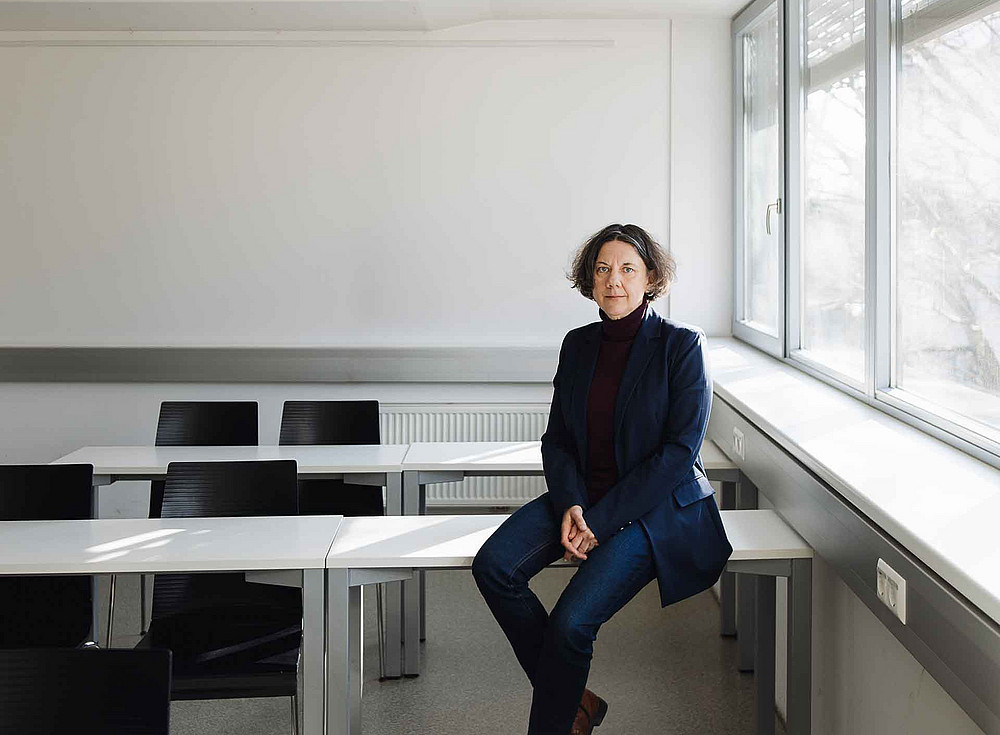
Theresia Heimerl ©KANIZAJ 2022

Theresia Heimerl studies European religious history and representations of religion in film and television. Photo: Uni Graz/Kanizaj

Fasting is not just a strategy for losing weight – it is a ritual dating back thousands of years with spiritual and evolutionary roots that has positive effects on the body. At the University of Graz, religious scholar Theresia Heimerl is investigating why fasting is a "spiritual boost".

"Religious fasting is intended to put the body into a special state in order to facilitate access to transcendence," explains Heimerl. "It prepares people for intense communication with God and is therefore a kind of spiritual boost." While other religions also use hallucinogenic substances for this purpose, Christianity, Judaism and Islam reject this and rely on physical practices. This is not just about going without food for a limited period of time. "In the past, it was also common to go without sleep," reports the researcher. Today, there are also modern versions such as auto-fasting or digital detox. However, Heimerl only understands the term in connection with luxury foods. In Western tradition, many people give these up in spring. "This goes back to Easter and the 40 days Jesus spent in the desert," explains Heimerl. Advent was also a period of abstinence in the past. "That has been forgotten today," says the religious scholar.

Conscious abstinence

Ramadan does not always fall in spring, but follows a lunar calendar. Muslims do not eat anything during the day. In Christianity, meat and dairy products are traditionally omitted. Heimerl emphasises: "Religious abstinence means conscious renunciation, not unhealthy starvation. It is never about eating less." Because fasting to death is also considered suicide and is a sin in Christianity. "Some movements promote dangerous practices, such as so-called light nutrition. This has nothing to do with true spirituality," emphasises the theologian.
Fasting is about a specific experience, adds religious scholar Heimerl. "It is a tradition that goes back thousands of years and opens the consciousness to contact with God." It should always be a positive experience – for the soul and the body.

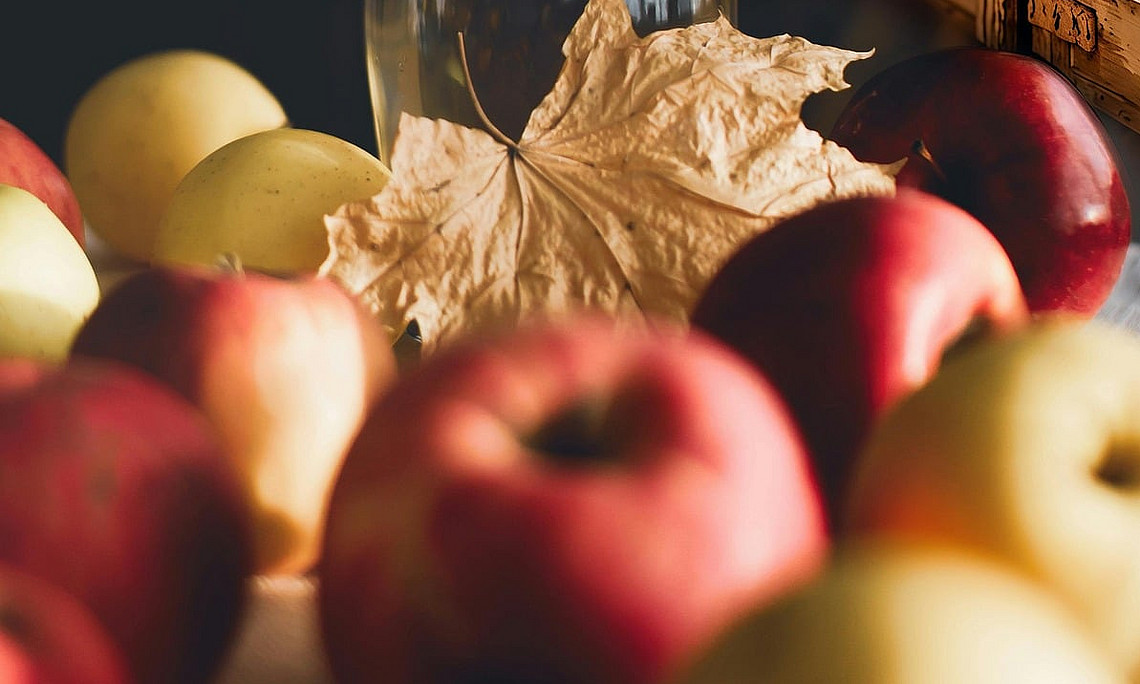
created by Roman Vilgut

Related news

Zwischen Ekstase und Enthaltsamkeit: Ann Lee und die Shaker. Von Franz Winter

Der Film "The Testament of Ann Lee" zeigt eine außergewöhnliche religiöse Bewegung zwischen Tanz, Körperlichkeit und strenger Sexualmoral

Die Geschichte vom Leiden und Sterben Jesu. Von Theresia Heimerl

Reinigung von innen - Fasten in den Religionen. Mit Franz Winter u.a.

Franz Winter in kreuz&quer, ORF III

Theresia Heimerl: Fasten für ein gutes Leben

Begin of page section:
Additional information:

University of Graz
Universitaetsplatz 3
8010 Graz
Austria
  • Contact
  • Web Editors
  • Moodle
  • UNIGRAZonline
  • Imprint
  • Data Protection Declaration
  • Accessibility Declaration
Weatherstation
Uni Graz

End of this page section. Go to overview of page sections

End of this page section. Go to overview of page sections

Begin of page section:

End of this page section. Go to overview of page sections